
Blog



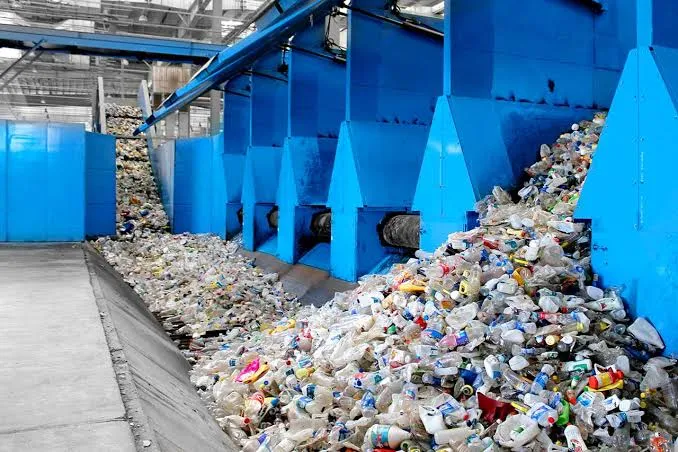
FROM WASTE TO OPPORTUNITY
In Kenya, increasing urbanisation and consumption have intensified the need for effective waste management solutions. Poor waste disposal can contribute to environmental pollution, blocked drainage systems, and the loss of materials that could otherwise be reused or recycled. At the same time, the growing interest in circular economy approaches creates opportunities for youth-led enterprises that collect, sort, reuse, and repurpose waste.
Read More
Learning for the Future
Equipping Young People with Digital Literacy and Critical-Thinking Skills
Read More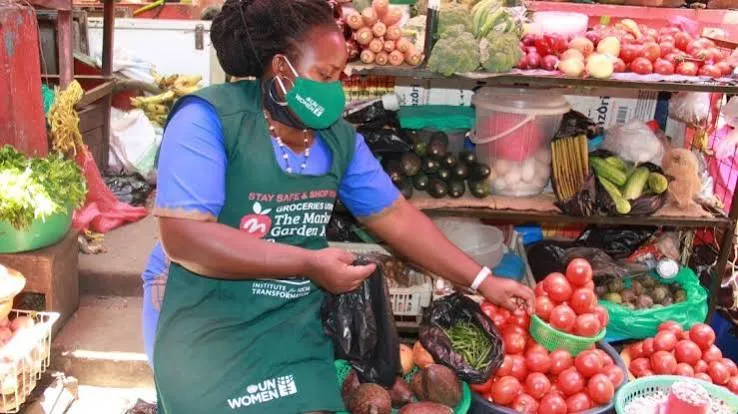
Building Women’s Economic Resilience Before the Next Climate Shock
As Kenya prepares for potential climate-related disruptions, strengthening women’s economic resilience is essential for protecting livelihoods and household stability. Access to financial knowledge, diversified livelihoods, climate information and practical support can help women better prepare for and recover from climate shocks. Through its focus on women’s empowerment and sustainable livelihoods, Salama Self Help Foundation contributes to building stronger and more resilient communities.
Read More
Why Women’s Health Awareness Is Part of Empowerment
Recent conversations around endometriosis and PMOS in Kenya are creating greater awareness of the challenges many women face in understanding and speaking about their health. For Salama Self Help Foundation, these conversations highlight the importance of empowering women and young people with information, confidence and supportive spaces to participate fully in their communities. Through youth and women empowerment, livelihood development and community-based awareness, Salama contributes to building informed, confident and sustainable communities.
Read More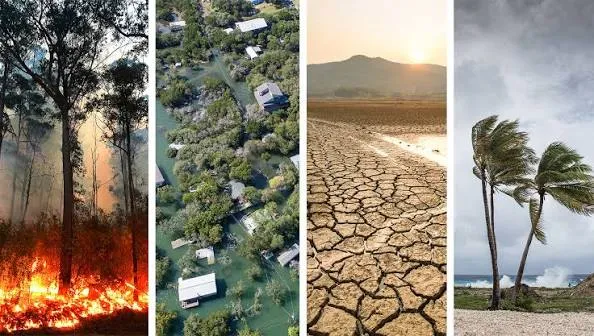
Climate Resilience Is Becoming a Community Priority in Kenya
While investment in health infrastructure and government systems is essential, climate resilience also depends on how prepared communities are to understand and respond to climate-related risks. This means communities need access to timely information, digital tools, climate knowledge and practical skills. Young people can contribute through technology, innovation and entrepreneurship, while women can play an important role in household resilience, food security and community wellbeing.
Read More